With the first snowfall, winter in Shanxi is etched in crisp lines. Cold winds sweep through its streets and lanes, yet a certain warmth persists—a fragrance that cuts through the chill: golden fried cakes sizzling in oil, their sweet, soft heat melting winter’s edges in a single bite.
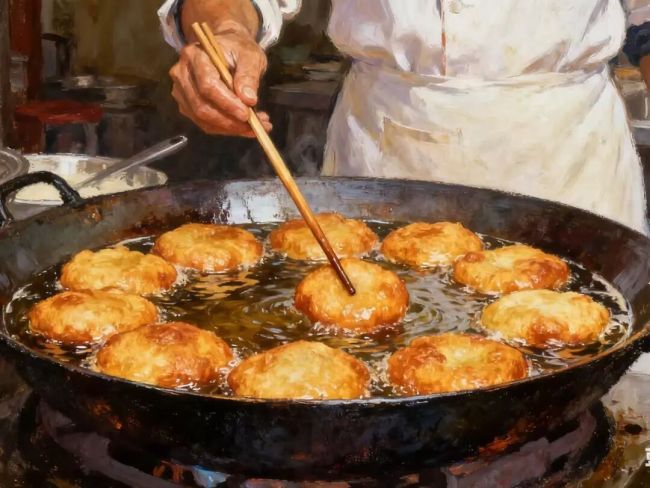
In Shanxi, the making of these fried cakes begins with a special steamed broomcorn millet flour—ground from local millet grains—that is kneaded by deft hands into pliable dough. Wrapped around sweet or savory fillings, each piece slips into bubbling oil, where it swiftly cloaks itself in a glistening, golden armor. Fresh from the wok, the crust is exquisitely crisp, crumbling at the slightest touch, while inside, it remains soft, chewy, and tender—true to the nature of millet flour. This very contrast—the crisp versus the yielding, the firm versus the soft—holds the secret to why these cakes linger so hauntingly in one’s memory.
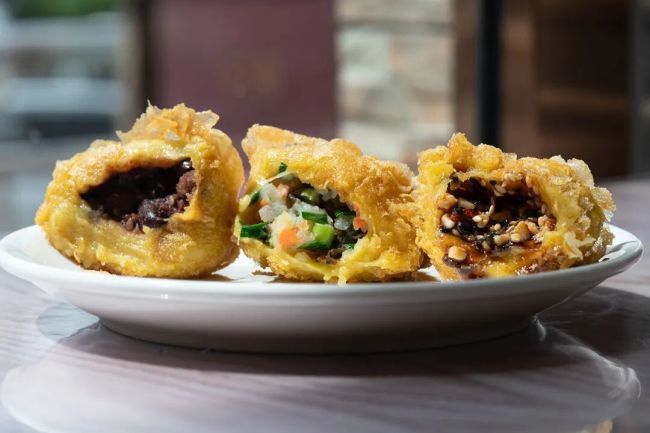
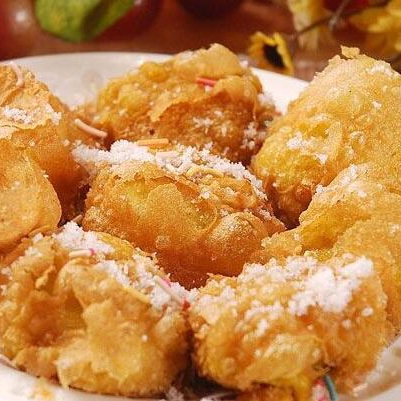
Though humble in origin, these fried cakes boast a “versatile face.” Sweet fillings like red bean or date paste are the beloved stars of festive seasons; when stuffed with seasonal vegetables or savory fillings, they transform into warming, savory vegetable cakes. Then there are the skillfully made bubble cakes, where lard and boiling water are kneaded into the dough, causing them to puff up magically in the oil, their surfaces blossoming with countless translucent, thin bubbles, crispy as cicada wings, melting on the tongue and leaving only a lingering sweetness. Another variety, called “Ten Thousand Taels of Gold,” is a millet and date cake fried to a golden hue with a crispy crust. In the past, Shanxi merchants would always eat one before long journeys, seeking the auspicious wish for business to flow like gold, warming their courage and ambition as they set out.
This golden, crispy bite is warmth that bursts forth. Freshly fried cakes brought to the table arrive with a wave of heat and aroma. Bite down: the crisp sound echoes in the ears, the sweet softness spreads on the tongue, and a solid current of warmth travels down the throat straight to the heart, as if all the cold of a Shanxi winter is forced to retreat and dissolve in that moment. It is not an exquisitely crafted delicacy for banquets, but an indelible, warm imprint in the lives of Shanxi people.
During holidays, these fried cakes are an auspicious “main dish” on the dining table, symbolizing rising fortunes and a sweet life. At morning breakfast stalls, they are the first solid comfort held in hands, dispelling drowsiness. Even at rural temple fairs and markets, the fried cake stall is always the most popular, its aroma wafting halfway down the street, drawing crowds of young and old eagerly gathered around the oil wok, waiting for that pot of golden joy to be ready.
Within these round, steaming hot cakes lies the simplest wisdom of livelihood from the Loess Plateau, as well as the fervent and enduring love Shanxi people hold for life. No matter how fierce the wind and snow, as long as there is golden dough tumbling in the oil wok, the heart finds its anchor, and winter gains a sweet, sticky, scalding confidence to withstand all cold.
(The image source is from the internet. If infringement, it will be deleted.)
Source: Comprehensive collation by sx.china.com